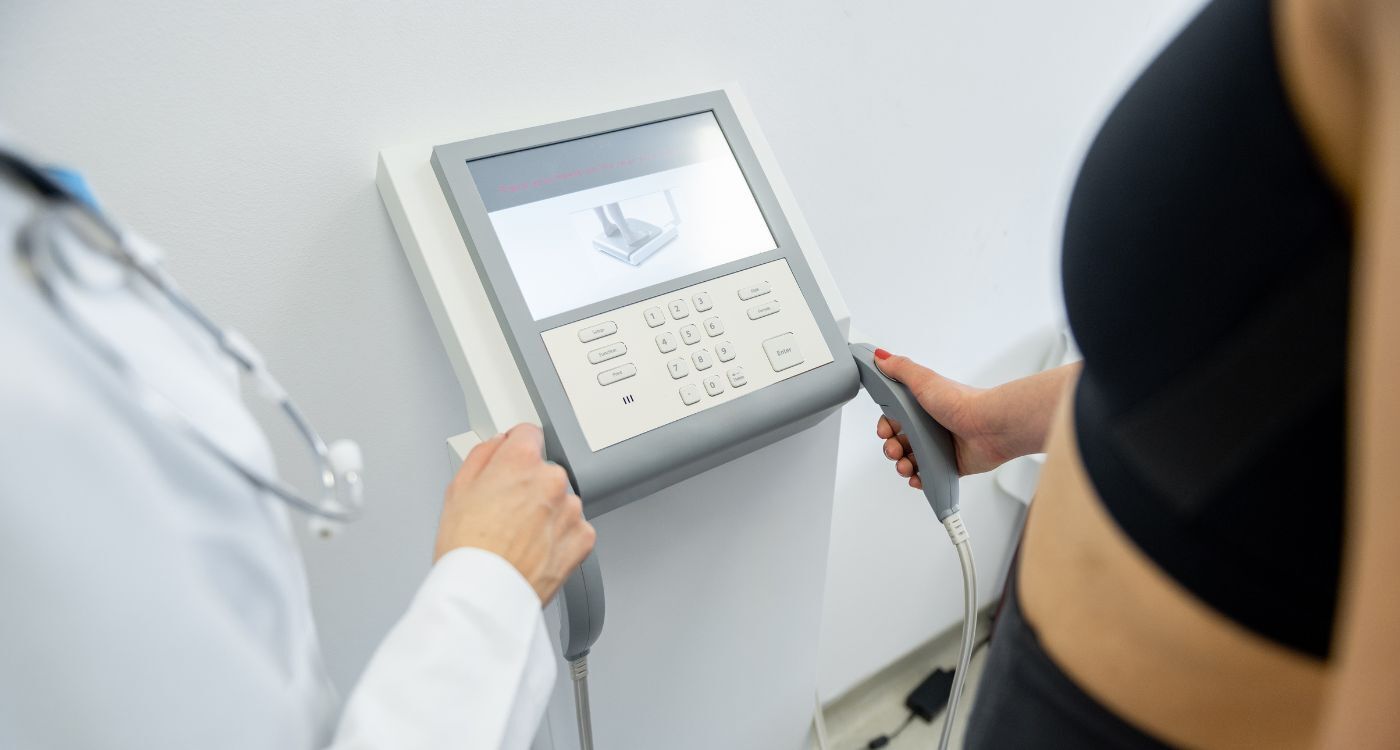
Most of us have a complicated relationship with the scale. We step on it, watch the number go up or down, and make decisions from there. But here's the problem: body weight tells you almost nothing about what's actually happening inside your body. Two people can weigh exactly the same and have completely different health trajectories, because of what that weight is made of.
A body composition scan changes this. At Delbrook Integrative Medical Centre in North Vancouver, Dr. Lucas MacMillan, ND incorporates body composition analysis into his naturopathic assessments, including ordering DEXA scanning where appropriate, to get a precise picture of what's happening beneath the surface: how much of your body is fat, where that fat is located, how much is lean muscle tissue, and what that distribution means for your long-term health.
What Is a Body Composition Scan?
A body composition scan measures the proportion of fat, muscle, bone, and water in your body. Unlike a standard scale, it tells you not just how much you weigh, but what you're made of.
The gold standard for this assessment is a DEXA scan (Dual-Energy X-ray Absorptiometry). Originally developed to measure bone density, DEXA scanning is now widely used for body composition analysis because of its precision. It distinguishes between different tissue types throughout your entire body, giving an accurate breakdown that other methods, such as bioelectrical impedance scales or skinfold calipers, simply can't match.
A full body composition test typically shows:
- Total body fat percentage
- Lean muscle mass by region
- Visceral fat level
- Bone mineral density
- Android/gynoid fat distribution ratios
Each of these data points tells a different story about your health.
Visceral Fat vs. Subcutaneous Fat: Why the Difference Matters
Not all fat is created equal. Subcutaneous fat sits just beneath the skin, it's the fat you can pinch. Visceral fat is deeper, wrapping around your abdominal organs: the liver, pancreas, and intestines. While subcutaneous fat is largely cosmetic, visceral fat is metabolically active in ways that directly affect your health.
Elevated visceral fat levels are strongly associated with insulin resistance, chronic inflammation, cardiovascular disease risk, hormonal dysregulation, and non-alcoholic fatty liver disease. Research published in the Journal of the American Medical Association has linked visceral fat accumulation to increased all-cause mortality, independent of overall body weight.
The unsettling part: you can have a completely normal body weight and still carry a concerning visceral fat level. This is sometimes called "normal weight obesity"; it's more common than most people realize, and it's entirely invisible to a bathroom scale.
A DEXA body composition scan is one of the few ways to accurately quantify visceral fat. Understanding your visceral fat range gives you a baseline and a real target to work toward.
What Visceral Fat Levels Actually Mean
DEXA results typically report visceral fat as an area measurement in cm² or as a risk category. A visceral fat range below 100 cm² is generally considered low risk; 100–160 cm² is elevated; above 160 cm² is high risk.
But the number on its own is only half the picture. When Dr. MacMillan reviews body composition results with patients, he uses those findings as a starting point for a broader conversation: why is visceral fat elevated in this patient? Is it dietary? Hormonal, such as low testosterone, elevated cortisol, or estrogen imbalance? Sedentary lifestyle? Poor sleep? Chronic stress? The answer shapes the treatment.
Naturopathic medicine is particularly well-suited to addressing visceral fat because it works upstream, targeting root causes rather than managing numbers in isolation. A naturopathic approach might include:
- Nutrition planning targeted to reducing visceral fat, including anti-inflammatory eating patterns and strategic macronutrient timing
- Targeted supplementation: berberine, omega-3 fatty acids, magnesium, and others depending on your labs
- Hormonal assessment and support, including bioidentical hormone therapy where appropriate
- Exercise prescription tailored to your composition baseline and goals
- Stress and cortisol regulation, because chronic stress directly drives visceral fat accumulation through elevated cortisol
This is different from a generic "eat less, move more" prescription. It's a targeted protocol built around your specific body composition analysis findings.
Who Should Consider a Body Composition Assessment?
Body composition testing is useful for almost anyone, but it's especially valuable if you:
- Have a family history of type 2 diabetes, cardiovascular disease, or metabolic syndrome
- Are experiencing unexplained fatigue, brain fog, or hormonal symptoms despite "normal" bloodwork
- Have hit a plateau in weight loss despite consistent effort
- Want a concrete baseline before starting a health optimization or longevity protocol
- Are in perimenopause or menopause, when body composition tends to shift significantly
It's also an excellent tool for tracking progress. Because DEXA measures what the scale can't, patients can see real changes in lean muscle and visceral fat even when their weight stays the same.
Longevity Is Built on What You Can Measure
One of the most important shifts in naturopathic and functional medicine over the last decade is the move from reactive care to proactive optimization. Body composition analysis is one of the most powerful tools for that shift, because you can't optimize what you can't measure.
If you're curious about what your body composition reveals about your current health and long-term risk, Dr. Lucas MacMillan, ND at Delbrook Integrative Medical Centre in North Vancouver can help you interpret your results and build a targeted naturopathic plan around them. Book a consultation to get started.